AGP Executive Report
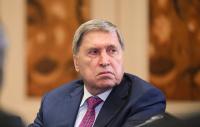
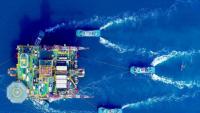
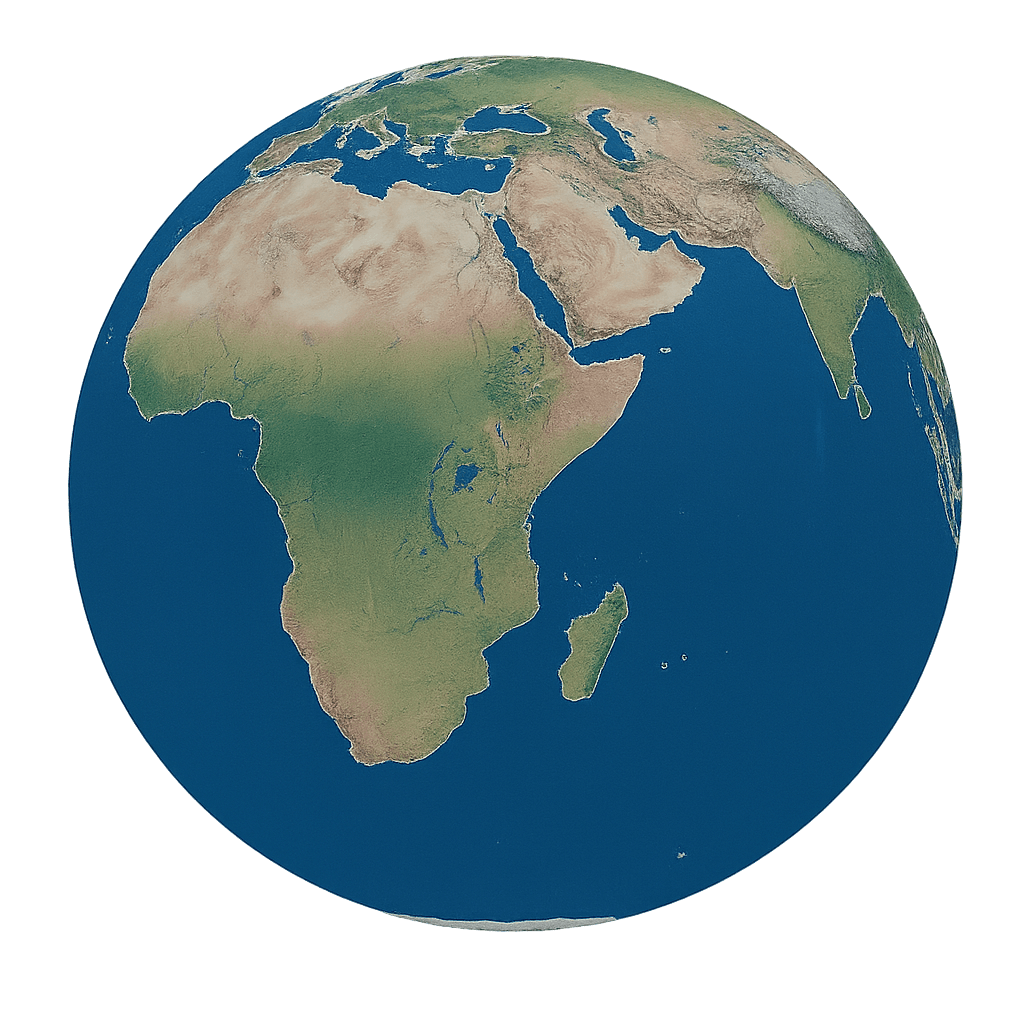
Last update: 5 hours agoRussia–Africa Summit: President Teodoro Obiang left for Moscow on Oct. 26, where talks are expected to include expanding trade and economic cooperation and establishing a joint intergovernmental commission. Telecoms: The government is pressing to finalize TELGESA with EGSA LOITA by month-end. KPMG is assessing GECOMSA’s assets, including 84 telecom towers, to help determine the State’s stake. Oil and Gas: Transocean’s Deepwater Conqueror is due to move from its Equatorial Guinea assignment to a five-well U.S. Gulf contract worth about $225 million, highlighting the region’s role in the offshore rig market. Regional Trade: Equatorial Guinea is among nine Gulf of Guinea states covered by a proposed regional marine and blue economy policy, with Nigeria leading its development.
Note: AI summary from news headlines; neutral sources weighted more to help reduce bias in the result. Feedback is welcome. Please let us know if you have any comments or suggestions about the AGP Executive Report.
 Perspectify News